
The Anglican Diocese of Newcastle is committed to ensuring that all people who participate in our worship, programs and ministries have a safe and rewarding experience. God has commanded us to love one another. Ensuring a person’s safety is an expression of that love. The overarching parish safety policy and its key components can be accessed [HERE]
Detailed information in regard to our policies and procedures in relation to screening, training and compliance can be found [HERE].
The Anglican Diocese of Newcastle takes allegations of misconduct and abuse seriously. We encourage victims of crime to contact NSW Police.
We encourage people with concerns to come forward and speak with the Director of Professional Standards (1800 774 945) dps@newcastleanglican.org.au. Survivor Support
Acknowledgement of Country
We acknowledge the First Australians with gratitude for their stewardship of country. In our Parish, we recognise the strength, resilience and continuing culture of the Awabakal and Darkinjung people, and affirm our commitment to walking together in a spirit of truth-telling, justice and reconciliation.


Shop 1, 550 Pacific Highway Belmont

The Funeral Look
The Funeral Look I recently attended the funeral of a longstanding friend in a rural community. I had known the lady for nearly forty years, and as I stood there, I recalled that we had first met when I was...Continue reading→
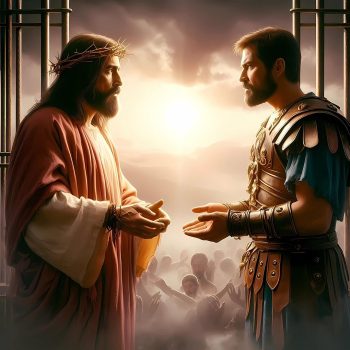
What is Truth?!
Truth Jesus before Pilate Then Pilate entered the praetorium again, summoned Jesus, and asked him, ‘Are you the King of the Jews?’ Jesus answered, ‘Do you ask this on your own, or did others tell you about me?’ Pilate replied,...Continue reading→

The Woman at the Well
John’s Gospel is the 4th of the canonically authorised accounts of Jesus life and death. Whilst some scholars have argued for an early date, most see it written towards the end of the 1st century. The Gospel of John is...Continue reading→
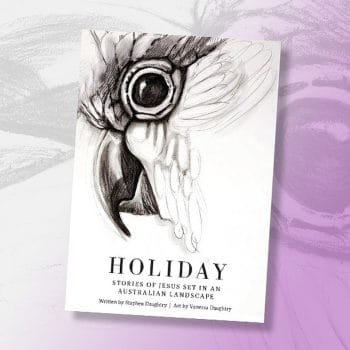
Lent – Holiday
Our 2026 Lent studies will use the book from ABM by Steve & Vanessa Daughtry called HOLIDAY. You can order a copy from any of the centres for $12.00 ABM’s brilliant new story/study book for Lent 2026 – or anytime! Gospel...Continue reading→
New Service Program
From 1 November 2025 We will trial a New Service Program from November 1, 2025, for the next few months. As The Rev'd Alison Wooden retires at the end of November, these changes are required to ensure that we have...Continue reading→
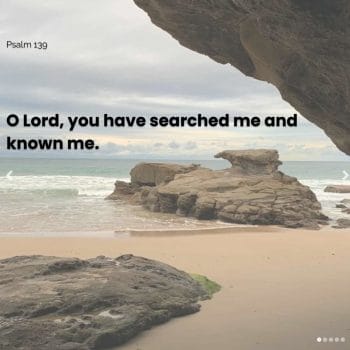
Psalm 139
Psalm 139 O Lord, you have searched me and known me. O Lord, you have searched me and known me. You know when I sit down and when I rise up; you discern my thoughts from far away....Continue reading→

How Stuff Works
How Stuff Works? A little while ago, in a discussion, someone mentioned how they had not been interested in History at school. They went on to explain that they had wanted to know “How Stuff Works?” and felt that Engineering...Continue reading→

Kintsugi
And I heard a loud voice from the throne saying, “Behold, the dwelling place of God is with man. He will dwell with them, and they will be his people, and God himself will be with them as their God. He will wipe away every tear from their eyes, and death shall be no more, neither shall there be mourning, nor crying, nor pain anymore, for the former things have passed away.” And he who was seated on the throne said, “Behold, I am making all things new.” Revelation 21:3-5 They say that a picture is worth a thousand words, and therein lies part of the beauty of The Book of...Continue reading→

Be Still and Know
Be Still and know that I am God Psalm 46:10 O Lord, you have searched me out and known me : you know when I sit or when I stand, you comprehend my thoughts long before. You discern my path...Continue reading→

The Tongues of Mortals and of Angels
Luke 6:39-49 is the last section of what is referred to as ‘the Sermon on the Plain’ (as opposed to the Sermon on the Mount). Jesus was teaching his followers what it meant to be disciples. He had begun with...Continue reading→
Recent Bulletins
Hope 25

The Invitation of Phillip to Nathaniel
As Phillip invited Nathaniel to "come and see" Jesus in John 1:46, many have found their journey into the Christian faith begins with an invitation to church. Archbishop Temple famously wrote that inviting people to see Jesus is “the greatest service one person can do for another.”
So, you have a friend or loved one you would love to help in their spiritual journey? And you would like to invite them to a church service or activity but feel nervous or hesitant for some reason? You are not alone.
Practice inviting to anything
Practice inviting your friends to anything. Invite them to a meal, invite them to coffee, invite them to a concert. Reflect on how invitations are an act of love to share life together. An invitation is a gift that helps someone feel loved, even if they are not yet ready to accept. Inviting to a church activity is no different! Invitations require a depth of friendship and a willingness to include others in what is important to us.
Start your invitation with prayer
Well, not the actual invitation, that would be weird. But in considering who and when and
how to invite someone to church, ask the Lord for help. Pray for your friend. Ask him to give
you good words and help the person to respond positively. This will align you to God’s will
and remind you who is really doing the work here.
Be open about your church involvement and give general invitations.
General invitations are a great way to start. Let people know you’re a Christian and share which church you attend, offering an open invitation for them to join anytime. You might like to ask them if they have ever been to church before, and what it was like. Then the invitation becomes part of a conversation, and you may discover their picture of church is very different from yours. Talk with your friends about the roles you have in the church and how they enrich your life. If you use social media, consider sharing appropriate photos of church activities to give your friends a glimpse into this meaningful part of your life. Invite people to Christian activities that have a special value to you
Our friends are interested in what we are passionate about. This includes sharing what you love about the church service or activity you are inviting to.
For example:
- This service is always one of the highlights of my year.
- Last year when I was suffering I got so much comfort and strength from this group.
- I love the music in this service.
- This Christian course is one of the most helpful things I've done recently.
- I'm on the planning committee for this event, and I'd love you to see it.
When discussing, be ready to answer with key information
What details can you share that would be helpful to your friend? What is it like and what will happen there? What is the start time, and when does it end? Is there food? Will they have to give money? Is there a social aspect, and if so, is it optional? Is it safe to be an observer, or will I be expected to participate in some way (e.g., communion)? How many people will be there?
Can you share an online link to previous messages from the preacher so they can get a sense of the church?
Relationships before results
Pray for the person more than you pray for your invitation. The important thing is to be a Christ-like friend, rather than the performance of an invitation. Trust that God will prompt a receptiveness to invitations at the right time. Many people are 'hungry but hesitant' and will appreciate ongoing opportunities. It may help to find opportunities for your friend to meet other people from your church in other contexts. Compelling invitations are a team activity. Even when the response is indifferent or a clear rejection, your friend will sense your care in offering them a chance to engage with spiritual opportunities. Additionally, such moments can provide valuable insight into the reasons behind their hesitation.
Whilst not all of us are gifted evangelists, every believer can invite people to come and see.
Hope 25 Bible Study
The Parish will begin the Hope 25 Bible Study in Lent.
Thursdays in Lent at 2.00 pm at All Saints Belmont.
Thursdays in Lent at 7.30 pm by Zoom.
Epiphany
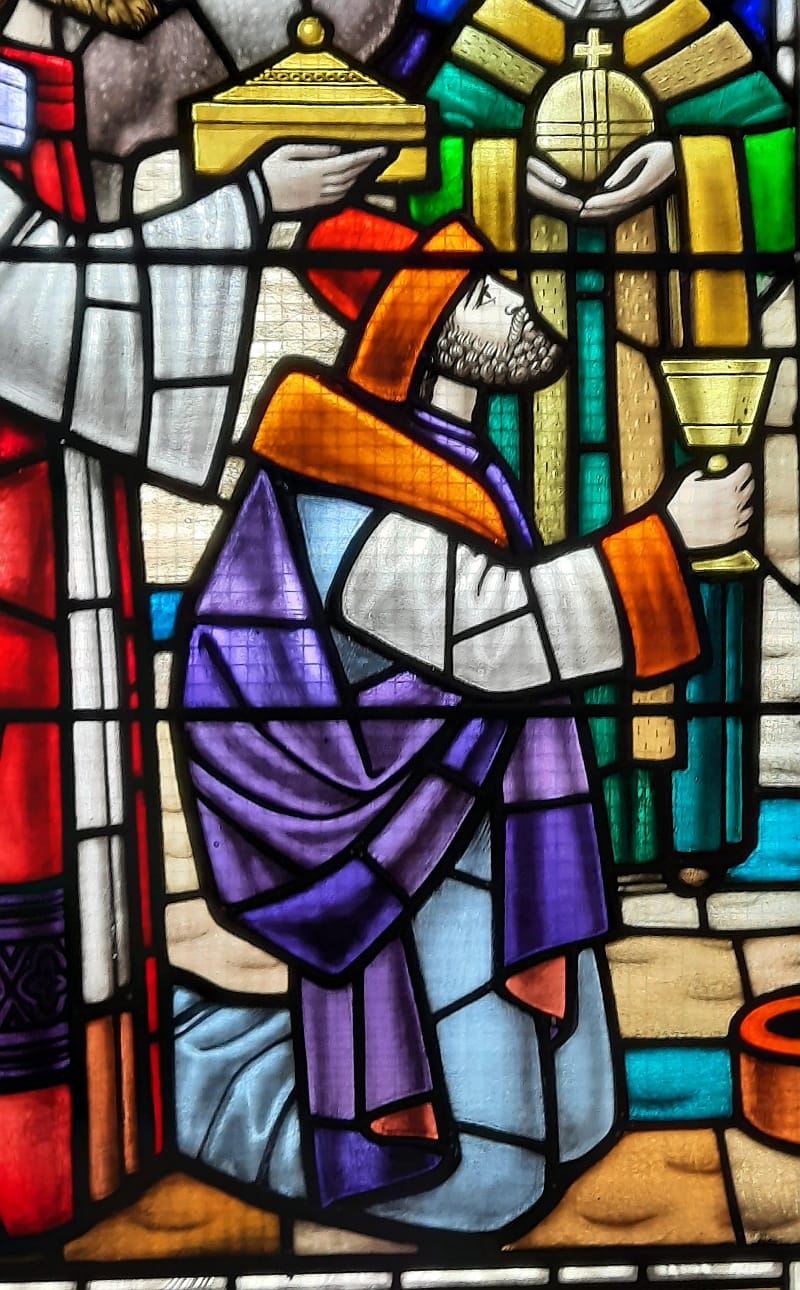
Today we celebrate Epiphany, the manifestation of Christ to the world. Epiphany has been celebrated since the third century. Originally, Jesus’ birth, baptism and the visit of the Magi were celebrated together on January 6, since they were all occasions of his manifestation to the world. However sometime in the third century, it was decided that the events were so special that they should be celebrated separately.
Today, for us, Epiphany celebrates the visit of the Magi, a small but significant incident in the life of Jesus and his family.
The night before Epiphany is known as Twelfth Night, as in Twelve Days of Christmas. At Epiphany, we remember the visit of the wise men. In some cultures, presents are exchanged at Epiphany rather than at Christmas because that’s when the wise men brought presents for the baby Jesus.
But why Epiphany? The term epiphany means "to show" or "to make known" or even "to reveal." In Christian terms, Epiphany is God’s self-revelation to the world. So, the visit of the magi is only one of many epiphanies recorded in the Bible. You could say that Moses had an epiphany when he encountered God in the burning bush, and Paul had an epiphany on the road to Damascus. The visit of the Magi is the first in our
season of Epiphany and over the next few weeks we will hear of other epiphanies in the Gospels.
But let’s get back to the visit of the wise men, the Magi, these men who appeared in Jerusalem looking for the baby born to be King of the Jews. Matthew doesn’t tell us their names or even how many wise men there were. Traditionally we say Three Wise Men because that’s how many gifts Matthew recorded them bringing and we assume that there was one gift from each man.
Have you ever wondered about the star and why no one else seemed to have noticed it? For me, that seems to be part of the irony of the story. Right back in the book of Numbers, Balaam prophesied that “a star shall come out of Jacob and a sceptre shall rise out of Israel.” [1]
But until these men from the East pointed out the existence of this star no one seems to have paid it any attention. Surely if it was clear enough for them to follow it was somehow different to the other stars in the sky.
Another irony in the story of the visit of the wise men is that Israel was chosen by God to be ‘a kingdom of Priests and a holy nation.’ [2]
They were the ones who were supposed to be showing the way to God, bringing other nations into a right relationship with God. And yet, here were these foreigners responding to God’s sign and showing the people of Israel, represented by King Herod, how to find the Messiah in the form of the baby Jesus.
Amazingly, King Herod believed the visitors and asked the chief priests and the scribes where the Messiah would be born. They were able to tell him, but they didn’t seem to have done anything themselves to check whether the Messiah had indeed been born.
There were three interesting groups of actors on the stage, weren’t there? The wise men who were open to the evidence of God’s working in and through creation and who willingly responded to God, even if they didn’t necessarily know which god; King Herod who actively resisted God’s will while publicly declaring his willingness to worship God; and the chief priests and the scribes who had all the necessary knowledge of God but who seem remarkably passive in this story. And then, of course, we have God who is in charge and who out-manoeuvres Herod.
Matthew used this story to set the scene for his account of the rest of Jesus’ life.
He told us that the wise men gave Jesus three gifts: gold, frankincense and myrrh.
Gold for a King, frankincense for a Priest, and myrrh for a dead body. And he showed that all of this happened through the actions of God. While Matthew had only just introduced the baby Jesus, his readers would have known a great deal about who Jesus was to become.
If all of this happened so long ago, why is it important to us? I believe that this story reminds us:
- That God is in control, even when events seem to indicate otherwise.
- The most unexpected people can point us to God, or help us see God’s spirit moving in ways and places that we hadn’t noticed
- We should remember that things are not always as they seem, but God sees and
knows all - As Christians, we are called to encourage others in their relationship with God
Christmas Services

Windale, 5.00 pm | Carols on the Lawn
Swansea, 9:30 am | Blue Christmas
5:30 pm Swansea| FamilyService
6:00 pm Windale | FamilyService
6:00 pm Belmont | Family Service
Windale, 9:00 am | Christmas Eucharist
Swansea, 9:00 am | Christmas Eucharist
Belmont, 9:00 am | Christmas Eucharist
All Souls

All Souls
Dear Brutus,
Thank you so very much for your letter which I received the other day. For a young man of just 6 years old, you certainly write terrific letters and I was jolly impressed. If I were your teacher I would give you a gold star, the day off school and a McDonald's voucher.
I was very sorry to hear about your grandfather dying. Understandably you are very sad about this and I shall do my best to answer some of the excellent questions that you have asked.
- The first question that I want to answer is… “Is it wrong to cry?” No, it is not wrong to cry. It is never wrong or sinful or wicked to cry. You may want to try to choose where and when you cry, but it is certainly not wrong to cry. It is a very helpful thing to shed a few tears and if you can do that with someone who cares about you, then you will find that while it is a painful and maybe an embarrassing thing, it can actually be a very special, empowering moment as you share this special time together. If you are in any doubt about my answer, remember that Jesus cried very loudly, like a big fluffy roaring lion, when his good buddy Lazarus died. People close by talked about it and said that it showed how much Jesus loved his friend. So if you feel that sadness welling up inside you then just go and get a big handful of tissues and have a jolly good sob.
In answer to your next question
- Why did the coffin get incense and holy water? These are gestures of farewell, a mark of respect for your grandfather. They are some of the finest symbols we can offer. The holy water reminds us that Baptism made your Pa a member of Christ and an heir to eternal life. The incense reminds us that the Holy Spirit made his body the temple of God’s glory to be raised up with Christ on the day of resurrection. I also like to think of the incense as our prayers rising up to heaven. You can’t actually touch prayers the same way you can touch this letter in your hand, but prayers are just as real as incense
- Why have a funeral when Grandpa is already dead? Good golly gosh Brutus, you ask such great questions. We have a funeral and often we have communion when someone has died, as our way of praying for the person who we love. People can also call it other things like celebrating a life, and remembering the good times, but the first thing and most important thing we do for someone who has died is pray for them. We ask God to take them to heaven and to enjoy them just as we enjoyed Pa on this side of the grave. We can say Thank you to God because you knew Pa your whole life. Your Pa lived a very long time and gave you a lot of love as well as the odd Freddo frog and packet of jelly beans. So there is much to be grateful for.
- Why did Mum light a candle for Pa?
Lighting a candle for someone we love is one of the very best things we can do. The candle stands for the light of Jesus whose light never goes out. It reminds us even when we feel a bit dark and gloomy Pa still shines brightly because he is close to God.
The candle is a good thing to focus on when our mind is a bit wobbly at this difficult time. Its light is often very reassuring when we need to be comforted and to hang onto things that are simple and yet they are things we don’t quite understand. - Where is Grandpa now? It is true that you cannot see Grandpa in the way that you did when he was at the nursing home having a cup of tea and watching cartoons on TV. The answer to your question is that the Pa you knew, enjoyed and loved has gone to be with God who we kind of see (especially at the Bread and wine service we call Eucharist) and yet we don’t really see. Sometimes God can seem very close and sometimes he seems very distant. So too with Pa now. Sometimes you will remember him and the time you went fishing together or how he told you that naughty story and you will smile and He will seem very close. God is also a bit like that. We remember what he taught us, or something he did and we sense Him. At other times when we really need him … we can’t seem to find Him at all.
Your Pa had great faith in God and God loves Him very much so they are very close together now. Much closer than they were when your Pa was alive and you could talk to him. - Will you ever see Pa again? My answer is Yes. For people like you and me, your Mum and Dad, the folk who come to Church on Sunday we believe that the funeral is not the last time we see the person we love. Jesus died but after that he became alive again in a new and exciting way. That is what has happened to your Pa. It is the life he is living. It is also the life that we will live when we die (although hopefully that won’t be for a long time) So at a funeral we don’t say Goodbye, I’m sorry I will never see you again. We say Thank you and …we will see you there.
St Francis of Assisi

When I was studying theology, a lot of people assumed that feminist theology would be my focus, since I am a woman and was trying to enter an, at the time, largely male-dominated world. But I discovered Liberation theology, William Wilberforce, who worked so hard to abolish slavery throughout the British Empire, and St Francis of Assisi.
Liberation theology is a Christian theological approach emphasising the liberation of the oppressed. It engages in socio-economic analyses, with social concern for the poor and political liberation for oppressed peoples and addresses other forms of inequality, such as race or caste.
Liberation theologians popularised the term "preferential option for the poor". The option for the poor indicates an obligation, on the part of those who would call themselves Christian, first and foremost to care for the poor and vulnerable.[1] In other words, the church should move beyond simple charity work towards promoting social justice: addressing the factors, like oppression and discrimination,
which cause people to live on the margins of society and rely on charity.[2]
It was this social justice aspect of Liberation Theology that appealed to me: giving voice to those who had none, and listening to what they had to say. Or, in terms of the 5 Marks of Mission:
• Tend - To respond to human need by loving service
• Transform - To transform unjust structures of society, to challenge violence of every kind and pursue peace and reconciliation
Today we celebrate the life and ministry of Francis of Assisi: social reformer, itinerant preacher, social worker, lover of nature, and celebrant of poverty.
Francis had a vision, and heard God say, "Francis, Francis, go and repair My church which, as you can see, is falling into ruins." Initially, he believed that God wanted him to restore the church in which he was praying, and he set about doing just that. However, after restoring three churches or chapels, he realised that his mission was to help repair the institution, the Church.
Francis of Assisi felt God calling him to fully embrace the teachings of Jesus and to walk in his footsteps.[3] He took to heart Jesus’ instructions to his disciples, ‘Proclaim the good news, “The kingdom of heaven has come near.” Cure the sick, raise the dead, cleanse the lepers, cast out demons. You received without payment; give without payment. Take no gold, or silver, or copper in your belts, no bag for your journey, or two tunics, or sandals, or a staff; for labourers deserve their food.’[4] And that is how he lived and expected his followers to live.
Francis travelled around preaching the gospel message. He preached in villages and towns, to poor and wealthy, men and women; and he preached in the language of the people, making it easier for them to understand his message. He also encouraged people to pray in their own language. It was as a result of his preaching that people began following him.
He overcame his fear of leprosy and spent some time living in a leper’s colony, caring for them. Caring for lepers became an ongoing ministry for Francis and his followers. He believed himself brother to all, under Christ, and considered himself “no friend of Christ if he did not cherish those for whom Christ died".[5]
Francis treated all nature as the mirror of God; as a magnificent book in which God speaks to us and grants us a glimpse of his infinite beauty and goodness.[6] He called all creatures his “brothers” and “sisters,” and is quoted as saying, “God requires that we assist the animals, when they need our help. Each being (human or creature) has the same right of protection. If you have men who will exclude any of God's creatures from the shelter of compassion and pity, you will have men who will deal likewise with their fellow men.”[7]
Pope Francis wrote, in 2015, in his Laudato Si’,[8] at 218 ‘In calling to mind the figure of Saint Francis of Assisi, we come to realise that a healthy relationship with creation is one dimension of overall personal conversion, which entails the recognition of our errors, sins, faults and failures, and leads to heartfelt repentance and desire to change. The Australian bishops spoke of the importance of such conversion for achieving reconciliation with creation: “To achieve such reconciliation, we must examine our lives and acknowledge the ways in which we have harmed God’s creation through our actions and our failure to act. We need to experience a conversion or change of heart”.’ [9 AUSTRALIAN CATHOLIC BISHOPS’ CONFERENCE, A New Earth – The Environmental Challenge (2002).]
As we celebrate the life and ministry of Francis, we realise that the 5 Marks of Mission are not separate parts of answering God’s call to ministry and mission, but different facets of sharing God’s love. To remind you, they are:
• Tell - To proclaim the Good News of the Kingdom (expressed in some contexts as to tell people about the Way of Jesus)
• Teach - To teach, baptise and nurture new believers (expression in some contexts as to teach, incorporate, and nurture people in the Way of Jesus)
• Tend - To respond to human need by loving service
• Transform - To transform unjust structures of society, to challenge violence of every kind and pursue peace and reconciliation
• Treasure - To strive to safeguard the integrity of creation, and sustain and renew the life of the earth
I’d like to finish with a Franciscan Benediction:
May God bless you with discomfort at easy answers, half-truths, and superficial relationships so that you may live deep within your heart.
May God bless you with anger at injustice, oppression, and exploitation of people, so that you may work for justice, freedom and peace.
May God bless you with tears to shed for those who suffer pain, rejection, hunger and war, so that you may reach out your hand to comfort them and to turn their pain into joy.
And may God bless you with enough foolishness to believe that you can make a difference in the world so that you can do what others claim cannot be done. To bring justice and kindness to all our children and the poor.
Season of Creation 2024

Season of Creation 2024
Theme and Symbol
A special note about this year’s theme: We have decided to capitalize Creation for several reasons. Our theme this year emphasizes that Creation is not an object that has been created for human use, but rather a subject that we are called to relate to and collaborate with as fellow creatures. By capitalizing Creation, we refer to both the created order and the mystery of God’s continuing act of creation. We acknowledge the whole created order, or the whole cosmos, including all living and non-living parts of God’s Creation, showing our theological respect, reverence, accountability, and interdependence with the natural world. In this section of the guide, we offer the theological foundations for this year’s theme and symbol. Some talking points can be found in Addendum 3 for further reflection.
Creation is groaning in the pains of childbirth (Romans 8:22)
This biblical image pictures the Earth as a mother, groaning as in childbirth. The times we live in show that we are not relating to the Earth as a gift from our Creator, but rather as a resource to be used. Saint Francis of Assisi understood this when he referred to the Earth as our sister and our mother in his Canticle of Creatures. How can Mother Earth look after us if we do not look after her? Creation is groaning because of our selfishness and the unsustainable actions that harm her.
Along with our Sister, Mother Earth, creatures of all kinds, including humans, cry out because of the consequences of our destructive actions causing climate crisis, loss of biodiversity, and human suffering as well as Creation’s suffering. And yet, there is hope and the expectation for a better future. To hope in a biblical context does not mean to stand still and quiet, but rather groaning, crying, and actively striving for new life amidst the struggles. Just as in childbirth, we go through a period of intense pain, but new life is coming forth.
Season of Creation 2024
Creation is standing on tiptoe waiting for the children of God to be revealed (Romans 8:19)
Creation and all of us are called to worship the Creator, working together for a future of active hope and action. Only when we work together with Creation can the first fruits of hope be born. Pauline theology reminds us that both Creation and humanity are conceived from the beginning in Christ and, therefore, are entrusted to each other.
Creation is standing on tiptoe waiting for the manifestation of the children of God! The children of God are those who stretch up their hands towards the Creator, recognizing themselves as humble creatures, to praise and respect God, and at the same time to love, respect, care for, and learn from God’s gift of Creation. Creation is not given to humanity to use and abuse, rather, humanity is created as part of Creation. More than a common home, Creation is also a cosmic family that calls us to act responsibly. This is how the children of God have an intrinsic vocation and an important role to play in the manifestation of the kingdom of justice (cf. Romans 8:19).
Firstfruits of hope (Romans 8:23-25)
Hope is an instrument enabling us to overcome the natural law of decay. Hope is given to us by God as a protection and guard against futility. Only through hope we may realize the gift of freedom in fullness. Freedom to act not only to achieve enjoyment and prosperity but to reach the stage in which we are free and responsible. Freedom and responsibility enable us to make the world a better place.
We act for a better future because we know Christ has overcome the death caused by our sins. There is a lot of pain on Earth because of our shortcomings. Our structural and ecological sins inflict pain on Earth and all creatures, including ourselves. We know that we have caused a lot of damage to Creation, and to the world we are living in because of our negligence, because of ignorance,
but as well, in many cases, because of our unrelenting wish to satisfy unrealistic selfish dreams (cf. Romans 8:22).
There’s a phrase commonly attributed to Saint Augustine that says: “Hope has two beautiful daughters; their names are Anger and Courage. Anger at the way things are, and Courage to see that they do not remain as they are.” As we witness the cries and sufferings of Earth and all creatures, let holy anger move us toward the courage to be hopeful and active for justice. We believe that the
incarnation of God’s Son offers guidance enabling us to face the troubling world.
Season of Creation 2024
God is with us in efforts to respond to the challenges of the world we are living in (cf. Romans 8:23).attitude of waiting, and “espérance” which expresses the active hope in the light of God. The same nuance appears in the Arabic language which distinguishes between “amal ( لما )” and “raja’ ( ءاجر )”, showing how there is much more to reflect about what we mean when we speak about “hope”.
There are different forms of hope. However, hope is not merely optimism. It is not a utopian illusion. It is not waiting for a magical miracle. Hope is trust that our action makes sense, even if the results of this action are not immediately seen (cf. Romans 8:24). Hope doesn’t act alone. Earlier in his letter to the Romans, Paul the apostle explains the close relationship of hope as a growth process:
“endurance produces character, and character produces hope” (Romans 5:4).
Patience and endurance are close associates of hope. These are qualities that lead to hope. We know how much bold action to restrain the climate and ecological crises is urgent, and we also know that ecological conversion is a slow process as humans are stubborn to change their minds, their hearts, and their ways of living. Sometimes we don’t know what our actions should look like. As we journey in life, everyday we get new ideas and inspirations to find a better balance between the urgency and the slow rhythm of long-lasting change. We might not fully comprehend all that is happening, we might not understand the ways of God, but we are called to trust and follow with concrete and sustained actions, following the example of Christ, the redeemer of the whole cosmos (cf. Romans 8:25).
In some languages, the translation of the Pauline passage expresses that hope is not a passive waiting but rather an active hope (cf. Romans 8:20-21). There is much we can learn from other cultures and countries on how to hope and act together with Creation. The Portuguese verb “esperançar”, as well as the Spanish “esperanzar”, express well that hope must be understood as an active verb to avoid falling into the trap of superficial positivity. In French, there are also two different ways to speak about this notion: “espoir”, which evokes the attitude of waiting, and “espérance” which expresses the active hope in the light of God. The same nuance appears in the Arabic language which distinguishes between “amal ( لما )” and “raja’ ( ءاجر )”, showing how there is much more to reflect about what we mean when we speak about “hope”.
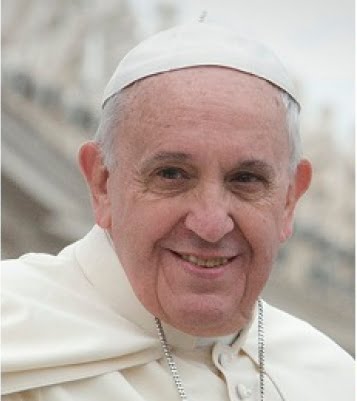
Despite all attempts to deny, conceal, gloss over or relativize the issue, the signs of climate change are here and increasingly evident. No one can ignore the fact that in recent years we have witnessed extreme weather phenomena, frequent periods of unusual heat, drought and other cries of protest on the part of the earth that are only a few palpable expressions of a silent disease that affects everyone. [...] I ask everyone to accompany this pilgrimage of reconciliation with the world that is our home and to help make it more beautiful.
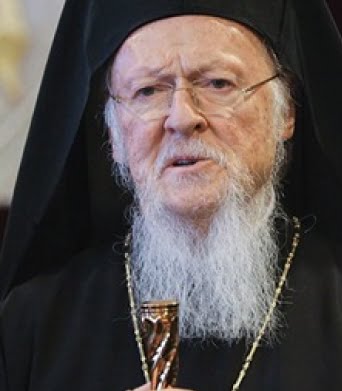
“It was 35 years ago that our venerable predecessor, the late Ecumenical Patriarch Demetrios, issued the very first encyclical inviting all people of goodwill to dedicate September 1 as a special day of prayer for the preservation of the natural environment. (...) Today, across the planet, numerous Christian churches and faithful recognize this celebration as the World Day of Prayer for Creation or the Feast of Creation. This sense of ecumenical conviction and Christian unity is paramount not only because we have been commanded by our Lord ‘that we may be one’ (John 17:21), but also because we cannot and should not hope to address climate change without working closely with one another. As we have repeatedly stated, ‘we are all in the same boat.’ Creation care is a collective mandate and responsibility.
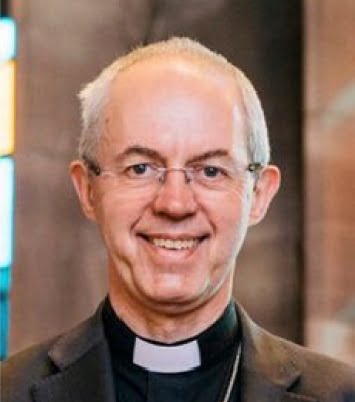
In the face of the climate crisis, protecting God’s Creation is a spiritual imperative for Christians throughout the global Church. The Season of Creation has inspired us to come together in prayer and action – to safeguard, sustain and renew the life of the Earth. That is why, inspired by the Orthodox Church’s leadership, the Anglican Communion enthusiastically supports this ecumenical season. I encourage Anglicans around the world to pray for the unity of the Church, as we follow Christ’s call to protect and renew what God has entrusted to us.
Mary, Mother of the Lord

We are not given a lot of information about Mary in the Gospels.
When you think of Mary, what image comes to mind?
For me, the most powerful image of Mary is as a mother, so I’d like to reflect on four passages which speak to me about Mary.
The Wedding at Cana [1]
On the third day there was a wedding in Cana of Galilee, and the mother of Jesus was there. Jesus and his disciples had also been invited to the wedding. When the wine gave out, the mother of Jesus said to him, ‘They have no wine.’ And Jesus said to her, ‘Woman, what concern is that to you and to me? My hour has not yet come.’ His mother said to the servants, ‘Do whatever he tells you.’
I love this passage! Mary was concerned that the bridegroom would be embarrassed and that the wedding celebration would be negatively impacted by the wine running out. She
didn’t ask Jesus to fix things; she simply made a comment. Jesus recognised the implied request or instruction but refused to be drawn in. Mary was obviously confident that Jesus
was able to rectify the situation and ignored his decision to not get involved. I’m pretty sure that most of us can relate to this situation, and probably from both sides!
By telling the servants to follow Jesus’ instructions Mary forced his hand, and forced him to reveal ‘his glory’ and commence his public ministry. On the flip side of this, by encouraging
him to ‘do what he was called to do’, she nudged him onto the road to Jerusalem.
Who is my mother, and who are my brothers?
This is recorded in Matthew, Mark and Luke with slight variations. [2]
Crowds were gathering around Jesus. He was healing and casting out demons. The scribes and the Pharisees accused him of being possessed by Beelzebul. Then his mother and his brothers came; and standing outside, they sent a message to him and called him because they could not reach him through the crowd. Mark adds a bit more detail, ‘When his family heard it, they went out to restrain him, for people were saying, ‘He has gone out of his mind.’’ [3]
In the past I’ve had a negative reaction to Mary and her other sons, thinking that they wanted to stop Jesus’ ministry. But I don’t know! Looking at the situation as a mother, I think that she was probably trying to protect him. After all, attracting the negative attention of the authorities is never a good thing. And dealing with large crowds to the point of not even being able to stop for a meal, [4] ... I can hear her saying, “Jesus, you’re doing too much! You need to slow down, take a break, and maybe tone it down a bit so that the authorities lose interest.”
In Matthew’s and Mark’s accounts, Jesus seems to resent his family’s intervention. So, when someone tells him, ‘Your mother and your brothers and sisters are outside, asking for you.’ He replied, ‘Who are my mother and my brothers?’ And looking at those who sat around him, he said, ‘Here are my mother and my brothers! Whoever does the will of God is my brother and sister and mother.’ I don’t think that Mary and her children understood the urgency of Jesus’ ministry and mission at that stage.
The Rejection of Jesus at Nazareth [5]
Jesus came to his hometown and began to teach the people in their synagogue, so that they were astounded and said, ‘Where did this man get this wisdom and these deeds of power? Is not this the carpenter’s son? Is not his mother called Mary? ... And they took offence at him. Mary was known by all the people in the village. She was one of them, and not expected to have an exceptional son. It seems to me that her experience in bearing and raising the Son of God did not result in her ‘putting on airs’. What must she have thought when she heard people putting Jesus down?
Jesus’ Crucifixion
Mary watched Jesus, her firstborn son, dying on the cross. [6]
I can’t imagine what that must have been like – to watch as her son was tortured, taunted and made a spectacle of. There were others there with her: other women, and at least one of the disciples, but I can’t help wondering whether she thought back to the angel’s visit, and to the day she and Joseph took Jesus to the Temple. Did she hear Gabriel say, “He will be great, ... and the Lord God will give to him the throne of his
ancestor David. He will reign over the house of Jacob for ever, and of his kingdom there will be no end.” [7]
And did she hear Simeon say, “This child is destined for the falling and the rising of many in Israel, and to be a sign that will be opposed so that the inner thoughts of many will be revealed – and a sword will pierce your own soul too.”[8]
Why do we celebrate the Feast of Mary, Mother of our Lord? Within her womb the divine and the human were united, and she willingly became an active participant in God’s redemption of humanity and all creation.
Ultimately though, Mary was an ordinary, devout young woman through whom and with whom extraordinary things happened. Her yes to God certainly didn’t guarantee her an easy life, yet she believed that God would bring about all that God promised.
Do we? Do we look for God’s promises being fulfilled or do we focus on the negative we see in the world?
[1] John 2.1-12
[2] Matthew 12.46-47; Mark 3.31-35; Luke 8.19-21
[3] Mark 3.21
[4] Mark 3.20
[5] Matthew 13.54-58; Mark 6.1-6
[6] John 19.25b - 27
[7] Luke 1.32-33
[8] Luke 2.34-35
Volunteering Opportunities

Op Shop Workers Needed
If you can see yourself helping the mission of our parish by serving in one of our Op Shops, please contact, Carolyn Cook (Belmont) phone 0409 447 904, or Kathy Roberts (Windale) phone 0412 614 063.
A few hours, a couple of days, it makes a real difference, and we are meeting the needs of those around us, both in the material needs and in social interaction.
Research now shows that volunteering can be good for your health, so it might be a double win.
Think about I, pray about it, and if you want to have a chat about it, make a phone call.
Holy Week and Easter 2024

8:30 am Liturgy of Palms - Church of the Transfiguration Windale
9:00 am Liturgy of Palms - All Saints' Belmont
10:30 am Liturgy of Palms - St Peter's Swansea
10:00 am Eucharist (Reconciliation and Healing) All Saints Belmont
6:00 pm Stations of the Cross - All Saint's Belmont
10:00 am Eucharist - All Saints' Belmont
5:00 pm Stations of the Cross - Church of the Transfiguration Windale
5:00 pm Maundy Thursday Liturgy - Church of the Transfiguration Windale
5:30 pm Maundy Thursday Liturgy - St Peter's Swansea
5:00 pm Maundy Thursday Liturgy - All Saints' Belmont - followed by Watch at the Altar of Repose until midnight.
8:30 am Good Friday Liturgy (no eucharist) - Church of the Transfiguration Windale
9:00 am Good Friday Liturgy (no eucharist) - All Saints' Belmont
9:00 am Good Friday Liturgy (no eucharist) - St Peter's Swansea
7:00 pm Lighting of the New Fire and the First Mass of Easter - All Saints' Belmont
8:30 am Easter Family Eucharist - Church of the Transfiguration Windale
9:00 am Easter Family Eucharist - All Saints' Belmont
9:30 am Easter Familiy Eucharist - St Peter's Swansea
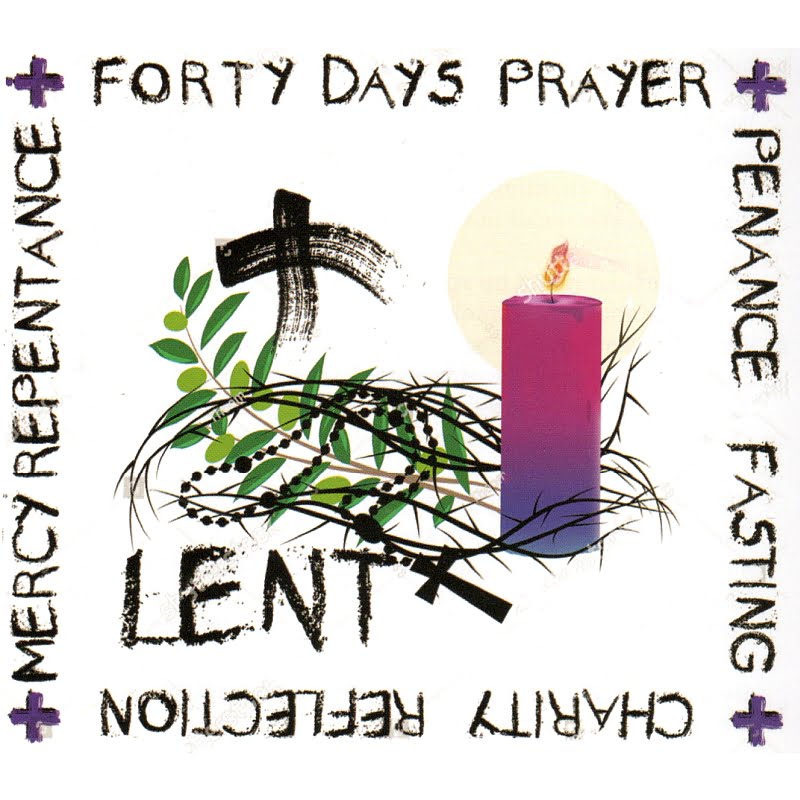
Lent 2024
Safetynet Discipleship
Bishop Peter Stuart
This series of Lenten studies will lead participants in a journey through the Year ‘B’ Readings.
Bishop Peter Stuart writes ..... Lent presents us with an opportunity to be more open to God's grace. As we abide in God’s love, God blesses us to become more the person God calls us to be.
This Lent, we invite you to be open to the experiences people have that fill them with fear and uncertainty. These may be brief or lengthy moments. They may be your story. They might be the story of a friend, colleague, or fellow parishioner. They are our shared stories of trauma. We hope that by reflecting on the God of love, revealed in Jesus, who is at one with us on our pain, your faith and discipleship will growBishop Peter Stuart is the Anglican Bishop of Newcastle.
In recent years he has spoken openly about his experience of childhood trauma. He writes from personal experience, a careful study of the scriptures, and reading in contemporary neuroscience.
These refreshing studies look at the Sunday Gospel readings. They are intended to help you reimagine yourself as a disciple of Jesus.
Seven studies are provided from Ash Wednesday through to Palm Sunday week.
This is the book that we will use for the Lent Study Groups in the Parish this year. If you would like a copy they can be had from one of the Parish Clergy for $12.00.
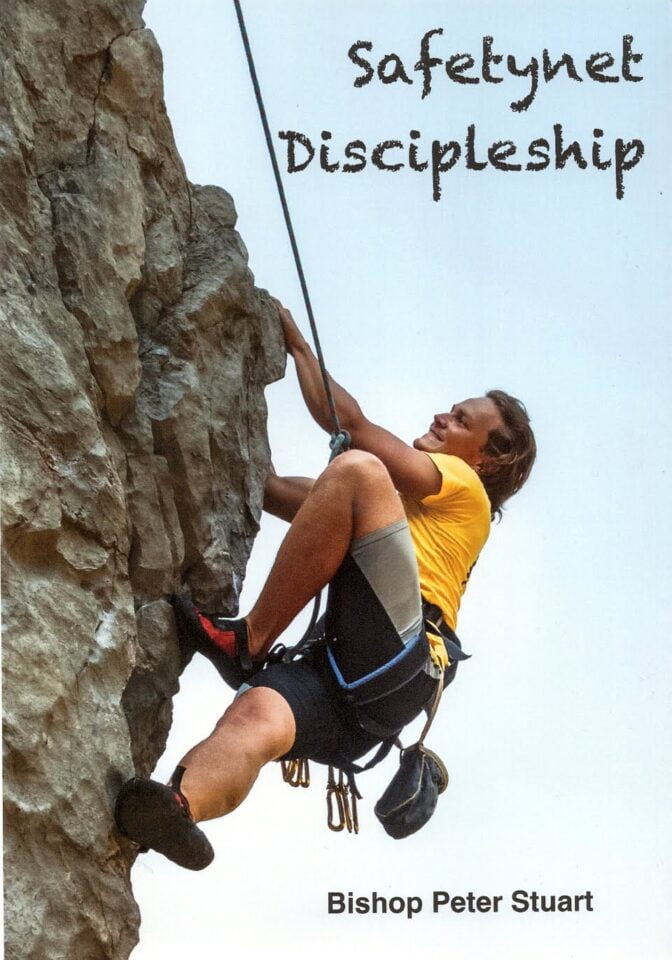
NB: The photo on the cover is not Bishop Peter, his name appears as the author of the book.
East Lake Macquarie Anglican Church.
Welcoming All as friends.
The Parish of East Lake Macquarie welcomes you to our website and we invite you to join us at our services, activities, and events.
Sharing a Vision.
Our vision is to be a united group of welcoming Christian people, celebrating and sharing our faith with joy, respect, and care.
Walking Together.
We are gently moving forward together to embrace new possibilities in an ever-changing world.
Using social media allows us to reach out and further share our faith, extending the hand of Christ in new ways.
This is a lively, vibrant Parish and there is always something happening across our three centres. There are regular Services held in Belmont, Windale, and Swansea as well as some of the local aged care homes. We are grateful to a large group of dedicated volunteers who share their energy and time in a variety of ways. East Lake Macquarie Anglican Church has three great Op Shops in Redhead, Belmont North, and Windale which are all well-supported and play an important role in the local community. In addition, we also have the Merrigum Centre operating out of our Windale centre, putting God’s love into action and providing food assistance to those in need every Wednesday morning as well as social interaction and friendship.
Celebrating Special Occasions:
Baptisms and Weddings are special occasions and wonderful celebrations, so we take great joy in being part of these celebrations. I encourage you to talk to us about times, dates, and ways that we can work together to make your event special and individual. Life also brings a range of challenges, hurt and loss, we hope to provide a place where everyone can feel supported and cared for.
If the website does not offer the information, you are looking for, please contact us via the contact page or phone us to arrange a time for a chat.
Blessings!
Fr Peter
Parish Priest.
Anglican Parish of East Lake Macquarie.
“Peace be to you, and peace be to your house, and peace be to all that you have”.
1 Samuel 25:6
